Showing posts with label Black Panthers. Show all posts

Tuesday, June 15, 2010

¡Libertad Para Mumia! Los Angeles Rechazó el Juicio de la Corte Suprema / Free Mumia! Los Angeles Rejects High Court's Ruling

http://la.indymedia.org/news/2010/01/234165.php

¡Libertad Para Mumia! Los Angeles Rechazó el Juicio de la Corte Suprema
by Rockero Wednesday, Jan. 20, 2010 at 11:16 PM
rockero420@yahoo.com

Miércoles, 20 Enero 2010

LOS ÁNGELES - A pesar de fuertes lluvias, un grupo de unas 30 personas asistieron a una manifestación por la liberación del preso político afroamericano Mumia Abu-Jamal. La marcha fue organizada de última hora por activistas antiracistas que estaban reaccionando a la impugnación de un juicio que favorecía el el periodista condenado. La Corte de Apelaciones del 3er Circuito había anulado la pena capital de Abu-Jamal debido al hecho de que el juez no explicó adecuadamente al jurado las consideraciónes que debían tomar en cuenta al designar una sentencia. Sin embargo, la Corte Suprema impugnó la citada decisión de la corte inferior, lo cual que abre la posibilidad de que Abu-Jamal, quien ha mantenido desde siempre su inocencia, regrese al corredor de la muerte.
¡Libertad Para Mumia...

Ante el edificio federal del centro de Los Ángeles, los manifestantes portaron cartelones exigiendo la libertad del ex-Pantera Negra y vocearon consignas como "¡Fue una trampa, ya lo sabes! ¡No mató a ese puerco, carajo!" y "¡Ladrillo por ladrillo, muro por muro, libertemos a Abu-Jamal!" Incluso interpretaron una canción improvisada al ritmo de un espiritual tradicional afroamericano con la letra:

Libertad para Mumia,
Libertad para Mumia Abu-Jamal,
Libertad para Mumia,
Necesitamos al hermano a nuestro lado.


Después de varias repeticiones de la canción, salieron los agentes de seguridad del edificio preguntando "¿Quién es el iniciador de esto?" "Todos somos iniciadores, le retó un joven. Nos avisaron que los que se habían refugiado de la lluvia bajo el techo del inmueble no podían estar en la propiedad y tenían que pasar al banquete.

El público, que contó con la presencia de Nativo López de la Hermandad Mexicana, Michael Novick de Acción Antiracista, al igual que miembros del Sindicato de Pasajeros (Busrider's Union), los Boinas Cafés, la Liga Esparticista y numerosos anarquistas y activistas independientes, se formó en filas y empezó un piquete, continuando a levantar sus consignas.

Algunos de los presentes empezaron a dialogar sobre el caso. Un hombre en particular criticaba los esfuerzos de los activistas que buscan liberar a Abu-Jamal a través de medios jurídicos y con presión política sobre Obama y su Procurador de Justicia Eric Holder. "¡Ellos son reformistas, y el reformismo es otro enemigo en nuestra lucha!"

Recalcó una compañera, "Es evidente que el problema es mucho más amplio que el caso de Mumia. Es todo el complejo carcelario que hemos incorporado a nuestra sociedad. Es una situación que inspira rabia. Yo preferería derrotar todos los muros de las prisiones. Todas."

Opinó otro, "Hay sólo dos maneras de emancipar a Mumia. La primera sería que Obama y Holder intervinieran. La otra sería que nosotros lo libertemos nosotros sólos. Y no parece haber esperanza para ninguna de las dos."

De repente llegaron miembros del colectivo Comida No Bombas, una organización que lucha contra el hambre y por la paz mediante la acción directa al alimentar a los que tienen hambre, ya sean personas sin hogar o activistas en lucha. Trajeron una olla de arroz y frijoles y una jarra de té caliente. Todos se alimentaron y empezaron a convivir. La llegada de estas compañeras y la repartición de la comida abrió un espacio para convivir con viejos camaradas y conocer a otros y otras del movimiento, hecho que probablemente no habría ocurrido sin su llegada.

Actualmente, el número de presos políticos en los Estados Unidos supera cien, según las cifras manejadas por el sitio de internet prisonactivist.org. Además, a nivel nacional hay más de 3 000 prisioneros sentenciados a muerte, y según el Centro de Información sobre la Pena de Muerte, entre los años 2000 y 2007, un promedio de 5 presos anuales han sido absueltos de sus supuestos crímenes, una fuerte señal que la pena capital está malimplementado.


http://la.indymedia.org/news/2010/01/234173.php

Free Mumia! Los Angeles Rejects High Court's Ruling
by Rockero Wednesday, Jan. 20, 2010 at 11:26 PM
rockero420@yahoo.com

Wednesday, January 20, 2010

LOS ANGELES - Despite heavy rain, a group of about 30 people attended a demonstration for the freedom of political prisoner Mumia Abu-Jamal. The last-minute action was organized by anti-racist activists who were reacting to the overturning of a judgment that favored the condemned journalist. The Third Circuit Court of Appeals had overturned Abu-Jamal's death sentence, finding that the judge in the case had failed to properly instruct members of the jury to consider possible mitigating circumstances during sentencing. However, the Supreme Court overturned the lower court's decision, opening up the possibility that Abu-Jamal, who has always maintained his innocence, could return to death row.
In front of the federal building in Downtown Los Angeles, the congregants carried signs demanding freedom for the former Black Panther and shouted chants such as "He was framed! You know it! Fuck that shit! He didn't kill that pig!" and "Brick by brick, wall by wall, we're gonna free Mumia Abu-Jamal!" They even spontaneously improvised on an old spiritual tune, singing:

Free Mumia, Free Mumia Abu-Jamal, Free Mumia, We need the brother by our side.

After several rounds of the song, the building's security agents came out and ask, "Who's the initiator of this?" "We're all initiators," one youngster challenged. He explained that those who had taken shelter from the rain beneath the eaves of the building were not permitted to be on the property and that they had to step onto the sidewalk.

The crowd, which included Nativo López of the Hermandad Mexicana, Michael Novick of Anti-Racist Action-Los Angeles, as well as members of the Busrider's Union, the Brown Berets, the Sparticist League, and numerous anarchists and independent activists, formed a picket line and continued their chants.

Some of those present began to discuss the case. One man in particular criticized the efforts of activists who seek to liberate Abu-Jamal through legal means and through political pressure on Obama and his Attorney General Eric Holder. "They are reformists, and reformism is another enemy in our struggle!"

One comrade opined, "It's obvious that it's beyond just Mumia. It's the whole prison complex we've built into our society. It's completely sickening. So I'm for tearing down all the prisons! All of them!"

Another speculated, "There's only two ways to liberate Mumia. Either Obama and Holder are gonna have to intervene, or we're gonna have to liberate him ourselves. And neither seems likely right now."

Suddenly, members of the collective Food Not Bombs, an organization that uses direct action against hunger and in favor of peace, arrived. They feed the hungry, whether they are homeless or activists in the struggle. They brought a pot of hot rice and beans and a pitcher of green tea. Everyone ate and began conversing. The arrival of these women and their distributing of food opened a space to talk with old friends and meet other members of the movement, something that would likely not have taken place had they not arrived.

Currently, there are more than 100 political prisoners, according to the website prisonactivist.org. Additionally, there are more than 3,000 prisoners on death row nationally, and according to the Death Penalty Information Center, between 2000 and 2007, a yearly average of five death row prisoners have been exonerated pf their supposed crimes, which sends a sharp signal that the death penalty is poorly implemented.

2

by Rockero Wednesday, Jan. 20, 2010 at 11:16 PM
rockero420@yahoo.com
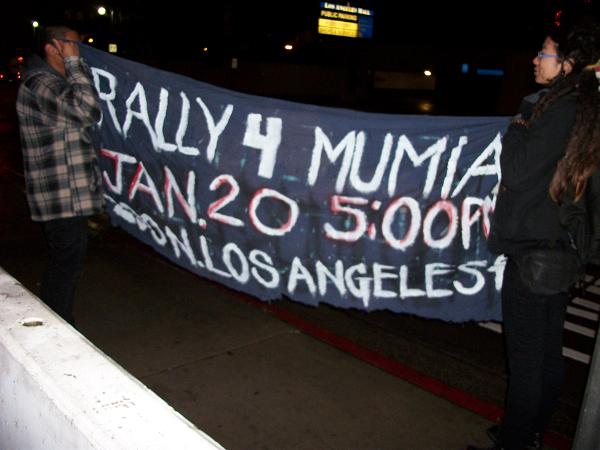
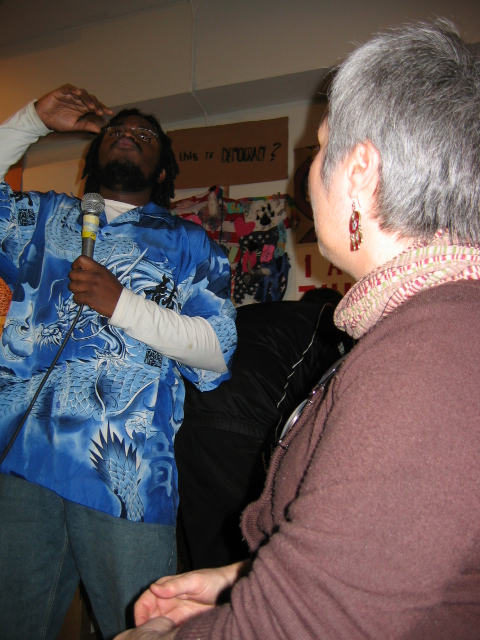
2..."Manifestación Para Mumia 20 de Enero"

3

by Rockero Wednesday, Jan. 20, 2010 at 11:16 PM
rockero420@yahoo.com
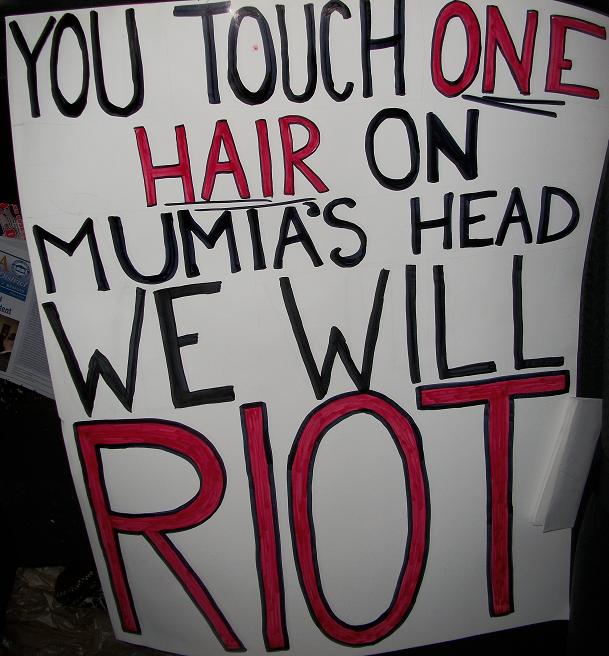
3...

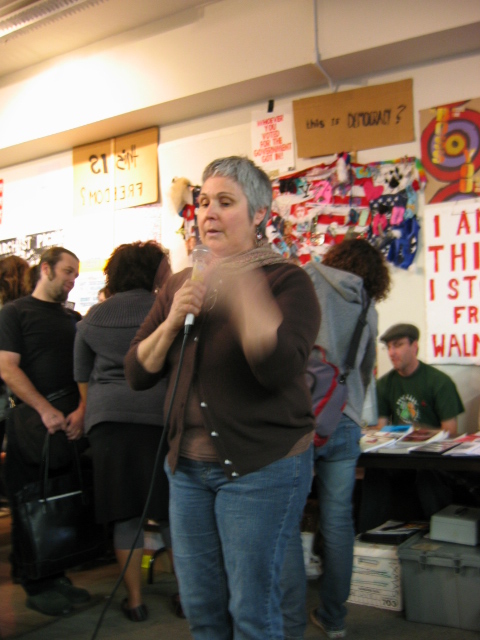
Si le tocan hasta un pelo de la cabeza, ¡habrá motines!

4

by Rockero Wednesday, Jan. 20, 2010 at 11:16 PM
rockero420@yahoo.com
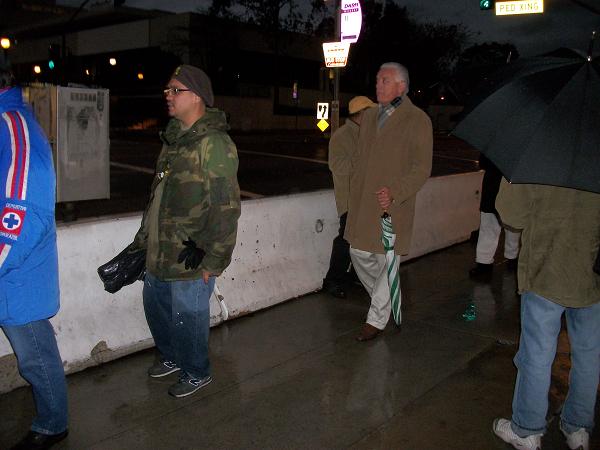
4...

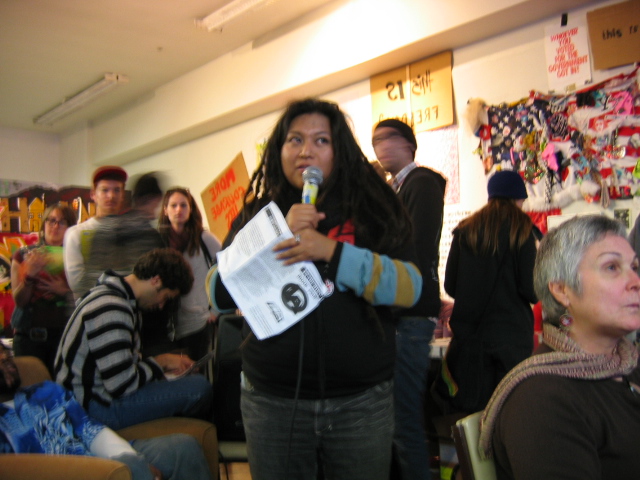
Nativo López, Boinas Cafés

5

by Rockero Wednesday, Jan. 20, 2010 at 11:16 PM
rockero420@yahoo.com

5...

Activistas, miembros del Sindicato de Pasajeros

6

by Rockero Wednesday, Jan. 20, 2010 at 11:16 PM
rockero420@yahoo.com
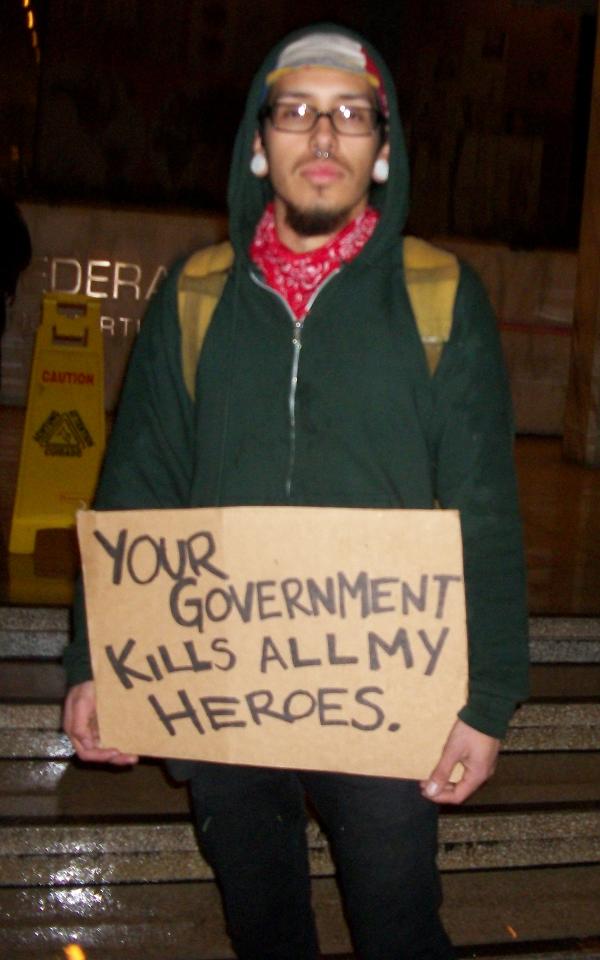
6...

"Tu gobierno mata a todos mis héroes"

7

by Rockero Wednesday, Jan. 20, 2010 at 11:16 PM
rockero420@yahoo.com
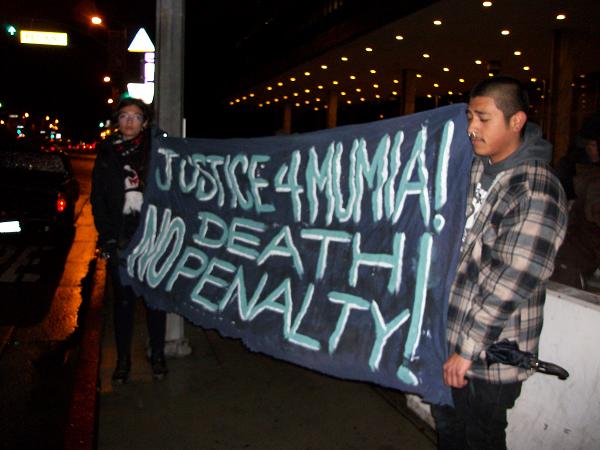
7...

"¡Justicia Para Mumia! ¡No a la Pena de Muerte!"

8

by Rockero Wednesday, Jan. 20, 2010 at 11:16 PM
rockero420@yahoo.com
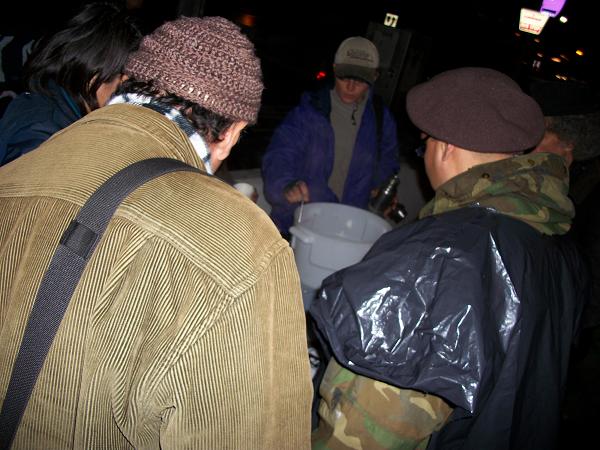
8...

Sunday, June 13, 2010

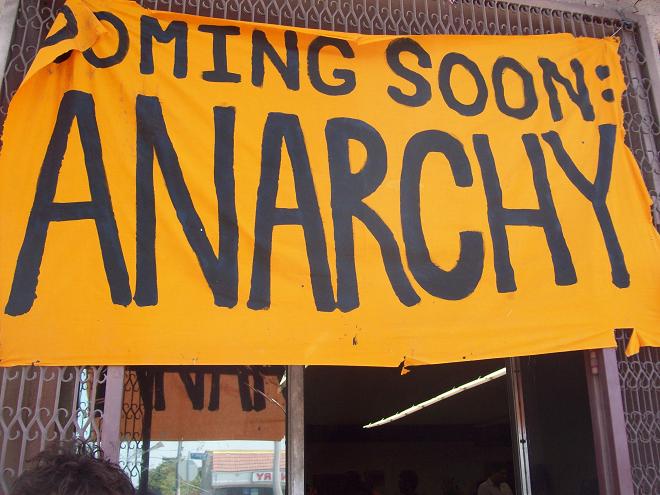
Coming Soon: Anarchy!

http://la.indymedia.org/news/2009/08/229374.php

Coming Soon: Anarchy!
by Rockero Tuesday, Aug. 04, 2009 at 6:07 PM
rockero420@yahoo.com

Second Southern California Anarchist Conference and Feria Libertaria

Saturday and Sunday, August 1 and 2, 2009

LOS ANGELES - Over a span of two days, hundreds of people from across the region converged to participate in the Second1 Southern California Anarchist Conference and the Feria Libertaria, an anarchist cultural fair. Despite the serious topic being discussed, that of constructing a genuinely free and non-hierarchical society, the relaxed atmosphere at both of the events was a perfect companion for Southern California's informal summer vibe.

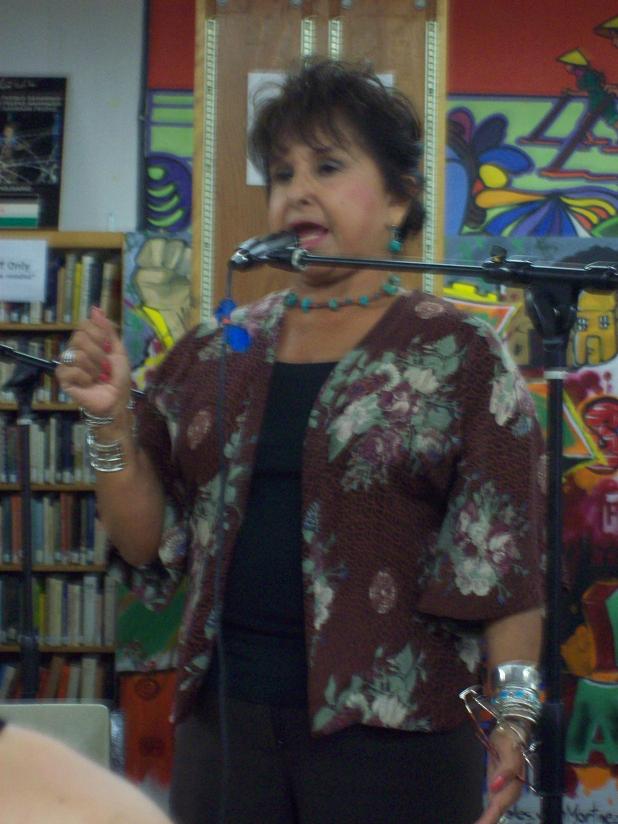
Saturday's conference was held at the Southern California Library for Social Studies and Research in South Central Los Angeles. After a short welcome from some of the organizers and a few announcements regarding schedule changes, a member of the library's staff gave us some background on the institution's history, as well as some of the current projects, such as the upcoming book drive for the children of the neighborhood.

With that, the workshops and panels began. In the library's reading room, Vlad lead a discussion on "piracy and hooliganism," which touched on recent news stories regarding Somali "pirates" and the riot that followed the Lakers championship victory and how they relate to anarchist theory and current anti-authoritarian struggles.

Out in the garden, Manny and Autumn discussed the Echo Park Time Bank, an institution that coordinates the exchange of services between individuals without using currency as the medium of exchange. This growing collective of individuals in the Echo Park area is an example of an alternative to the cash economy, which is becoming all-the-more important as the economic crises worsen and unemployment grows. And equally as important, since there is no exchange of money, the government is not able to tax the exchange. Even barter is taxable, but time exchanges, fortunately, are not. While a time bank cannot supplant the capitalist economy and offers no direct challenge to the oligarchies, its implementation is very useful for creating and strengthening community and localizing economies.

Inside the main room, a panel discussion became a group conversation about alternative educational models. Professor Sirena Pelarollo shed light on ongoing efforts to build local alternative autonomous educational initiatives. Excitement was felt by all as individuals, many of them teachers, professors, and students, shared their experiences with the authoritarian nature of the mainstream educational system. They also expressed a desire to share resources in hopes of establishing local non-hierarchical educational institutions. Representatives of the Institute for Anarchist Studies were also present to discuss the institute and the ways it can supports anarchist research and the importance of documenting our current struggles for scholars and activists of the future.

Upstairs, members of the Revolutionary Autonomous Communities (RAC) discussed their efforts to build a movement to resist capitalism and white supremacy through mutual aid, as exemplified by the food program, which distributes food to around 250 families weekly by involving the families and community members in the collection and distribution.

After a leisurely break, which provided a welcome respite for speakers and translators, the second workshop session began. In the main room, six panelists discussed the Los Angeles-area collectives of which they had been part, including the Los Angeles Anarchist Center, Windchime House, the Black Star Collective, the Long Beach Youth Federation, the Alternative Gathering Collective, Riot Grrl, and the Los Angeles Anarchist Black Cross Federation. They explained how their collectives were formed, and elaborated on what they were excited about, sharing ideas with workshop attendees for future projects that they found successful.

Upstairs, members of the Los Angeles branch of the Industrial Workers of the World discussed "the US labor movement and the anarchist tradition," and the Insane Dialectical Posse discussed class war as it relates to the economic crisis, proposing anti-capitalist alternatives. Alongside them, Gifford also spoke about labor's militant but hidden history in the United States.

Following the second round of discussions, Food not Bombs provided a delicious vegan meal including lentils and rice, fresh bread and fruit, and vegan burritos. As the representative of the Pittsburgh Organizing Group, which is coordinating resistance to the G20 summit in late September, was unavailable, conference attendees instead enjoyed a lengthy networking session, making new friends and developing affinities.

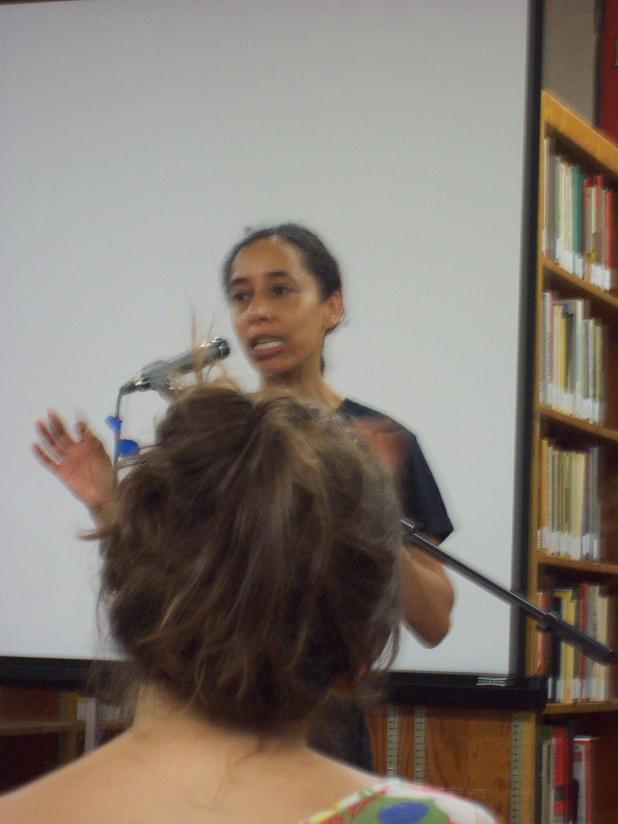
As the lunch hour ended, we were pleased to welcome a member of the Tongva nation. "To acknowledge where we're at, and being that this is Tongva land, we want to pay respects, but not just pay respects, but we wanted to actually create some space and we have somebody here from the Tongva nation that's going to share and we ask you to pay respects." Angie Dorame Behrns discussed what it was like growing up as an indigenous woman in Los Angeles, and talked about her struggle to the sacred springs of Kuruvungna, which are located on the campus of University High School on the West Side. She then answered questions, and invited us all to the Gathering at Kuruvungna. Kuruvungna is Tongva for "Place where we are in the sun." During the question-and-answer session, the speaker discussed her outrage at the exhumation of indigenous remains. "Trying to save our culture, what we say is, 'Keep the remains where they were interred. Leave them there. Don't dig them up.' Nobody goes to the Chinese gravesites, or Japanese graves. They don't dig them up. They don't dig them up! They're protected. But we, the indigenous people? Unh-unh. We're not protected. The developers can go dig them up, as long as they have a Native American monitoring, they can dig up Playa Vista, one of the biggest burial sites in America!"2 The speaker ended by reciting a poem.

In the last round of workshops, Sherman Austin discussed how to make use of the independent media, including radio, the internet, and cell phones to resist police brutality and other forms of oppression. He discussed the various aspects of raise the fist, and also guided us through how to create and operate an emergency response alert network through the website.

In the main room, Alex Sánchez's brother Oscar and other members of the community discussed the situation of the indicted anti-gang activist, as well as repression in general against activists, while upstairs, members of the coordinating committee of next week's Clitfest, Women's Creative Collective for Change, and Anarcha-LA (an anarcha-feminist group who also provided childcare for the younger participants) discussed feminism and issues affecting the female-identified and non-gender-conforming communities. Meanwhile, there was an impromptu APOC caucus in the reading room.

For the final event of the day, comrades from the Black Rider Liberation Party read aloud their guide to survival in the new "Obama" millenium, which was published in the latest issue of Anti-Racist Action's Turning the Tide. They then took questions from the audience.

Following the presentation, a general assembly was convoked. Organizers asked people to gather in the center of the room and to share their reactions, criticisms, questions, with everyone present. We ended with a call for announcement for future events and actions.

The next day, despite a few contretemps, last-minute cancelations, and schedule changes, many people arrived to the UCLA downtown labor center across from MacArthur Park to enjoy the music, art, food, and literature that was shared. As they arrived, they were able to see, many for the first time, RAC's food program in action. Inside, vendors of radical reading material, some traveling great distances, came to sell their wares, and many local organizations shared information and did outreach. Local youth walked in to see what was going on, and artists led stencil-making workshops. Organizers urged attendees to patronize local vendors, and later in the day, Food not Bombs arrived with large quantities of free food.

In comparison with last year's first annual Los Angeles anarchist bookfair, the turnout at each of the weekend's events was markedly lower. However, the scheduling of the conference (longer workshop sessions with longer breaks in between and block of time for networking) allowed for a increased dialogue, and increased quality thereof. And the feria libertaria allowed for the integration of the cultural arts as a visibly present aspect of our freedom-loving movement, and was judged by the organizers as an overall success.

_______________________________________

1. The first Southern California Anarchist Conference was held two years ago and was raided by police, who permanently shut down the space of a solidary community and media organization. See Southern California Anarchist Show Shut Down by Police, 19-12-2007.

2. For more information about the remains at Playa Vista, see these articles: Bates, Karen Grigsby. "At Playa Vista, a Controversy over Indian Remains," NPR. May 1, 2007. http://www.npr.org/templates/story/story.php?storyId=9940767 and Madigan, Nick. "Developer Unearths Burial Ground and Stirs Up Anger Among Indians." Los Angeles Times, 2004-06-02. http://www.nytimes.com/2004/06/02/us/developer-unearths-burial-ground-and-stirs-up-anger-among-indians.html?pagewanted=all

Library staff

by Rockero Tuesday, Aug. 04, 2009 at 6:07 PM
rockero420@yahoo.com

Library staff...

At the conference, 1/aug/09


Angie Behrns

by Rockero Tuesday, Aug. 04, 2009 at 6:07 PM
rockero420@yahoo.com


At the conference, 1/aug/09

Fresher Flesh

by Rockero Tuesday, Aug. 04, 2009 at 6:07 PM
rockero420@yahoo.com

QuickTime movie at 96.4 mebibytes

At the Feria.

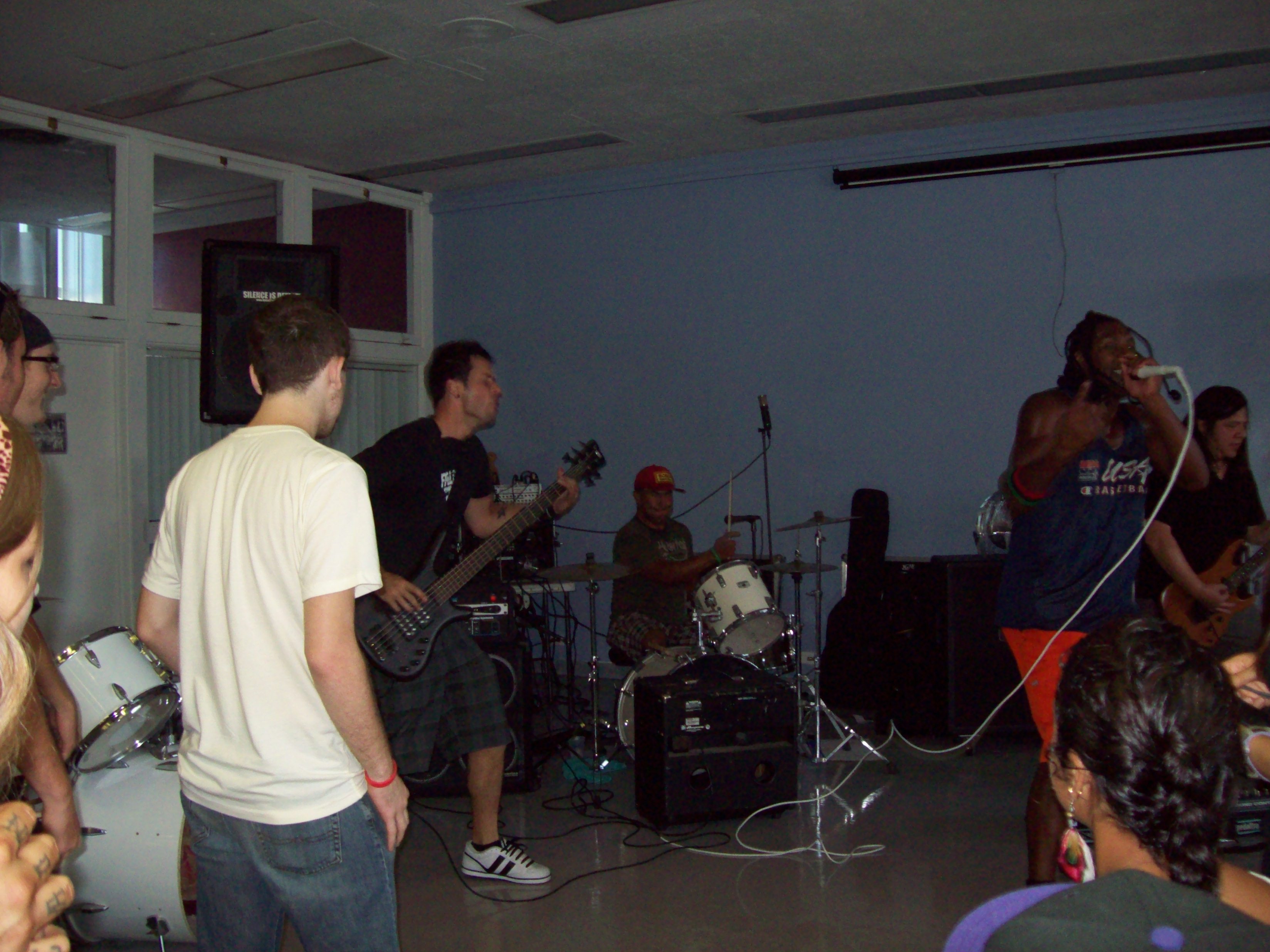
(Didn't catch the group's name. But they rocked the house!)

by Rockero Tuesday, Aug. 04, 2009 at 6:07 PM
rockero420@yahoo.com

(Didn't catch the gr...

At the feria

Saturday, June 12, 2010

First Annual Los Angeles Anarchist Bookfair: A Beginning Marker of Resistence

http://la.indymedia.org/news/2008/12/223009.php

First Annual Los Angeles Anarchist Bookfair: A Beginning Marker of Resistence
by Rockero Tuesday, Dec. 16, 2008 at 3:40 AM
rockero420@yahoo.com

Saturday, December 13, 2008 LOS ANGELES - The organizers of the first annual Los Angeles Anarchist Bookfair sent out a call for "dreamers, fighters, organizers, and rebels to come, meet, strategize, learn from each other, get books, attend workshops, participate, and join the movement." And despite the state's efforts to squelch our efforts, come they did--more than 700 people, mostly from the greater Los Angeles area, although some came from as far as San Diego, the Bay Area, Oregon, New York, and even Canada, to participate in this herstory-making event.


Plans for this bookfair have been in the works for more than a year, but organizing really started heating up in about September, when an open invitation was made to anyone interested in helping to organize the event. One of the plans hatched--for a benefit concert to help defray the costs of travel for invited speakers--was mercilessly raided by an LAPD squadron on the pretense that they were looking for a shoplifter. The cops violently entered the venue without a warrant and demanded that we prove that we had permission to be there. They targeted some of the main organizers for arrest, outrageously holding them for three days on bogus charges of "resisting or delaying a police officer." (See LAIMC articles "LAPD suppresses radical art space" by tu_kuñ(A)'o and "Police Raid of Anarchist Event," attributed to johnaimani, for more detailed reports.)

But this Saturday we were able to transcend the harassment to convoke the community, share ideas, feed each other, challenge one another to grow in our skills, and strategize about how to create a better world, starting right here in Los Angeles.

Vendors began arriving at the Southern California Library before ten to begin setting their tables up around the perimeter of the main room, but the day truly began at about eleven with a ceremony by Danza Cuauhtémoc, who sanctified the space through dance. They reminded us all that the land upon which we were standing was once and always will be indigenous. With this consciousness, people eagerly began lining up to make their five-dollar entrance donation and begin looking at the books, zines, and pamphlets and start attending the talks and workshops.

I went to the workshop on Marxist economics, the financial crisis, and the current anarchist uprisings in Greece and found it to be the perfect way to start the day. We sat on the floor until the room was full, and then crowded around the open door. Although it was a space where the words of older men dominated, many people participated in the discussion. John Imani began with an explanation of the crisis that was meticulously-reasoned and solidly grounded in history and the present, and urged action from all revolutionaries. He enjoined us to "participate in the class struggle, articulate and experiment with models of non-hierarchical institution building so as to replace the hierarchical institutions of capitalism, and study Marx’s economics." The facilitator then asked a man with close ties to Greece to explain the actions of the autonomist youth there and why they receive so much support from mainstream Greek society. Then a member of Modesto Anarcho reported on responses to mass foreclosures in California's Central Valley, squatting, and his organization's efforts to support squatters. We discussed the sit-in at Republic Doors and Windows in Chicago, the current state of the Left, questioned where to go from here, and attempted to answer that question.

Some examples:

"What we need to think of is a society based on the common ownership of all, not some, not the major means, all, the means of wealth production and distribution."

"One of the main things that we need is alternatives, ans this is a good example, the Zapatista movement. They're having these proposals about how to be owners of their own work, so I belong to a collective, it's called Colectivo Tonantzín, and we're passing out that word. Just an example, coffee is just one thing, that we could work with like that, but we can do it with the other products: clothes, corn..."

"We've been dependent on this artificial system we've been stuck in for many many years. We just have to remember who we are as human beings, and communities will be the ones who decide what they need."

"Individuals have to look within themselves and see how much of the debris of the larger culture they're willing to jettison. You can't carry around the weight of the present culture with its privileges, depending on which part of the world you happened to have had the fortune or misfortune of being born in and then talk about wanting to bring about social change unless you're going to be willing to give up something that may be required of you to make that change possible. It has to start with the individual and their commitment to make their own lives reflect the change they avow."

While I was listening to the talk on economics, other people were upstairs at a talk on the militarization of the US-Mexico border with José Palafox and Budge, and yet another group was in the main room discussing local histories, including the history of our hosting facility of the SoCal Library and urban Zapatismo as practiced in LA.

During the next hour, the main room was filled with spectators eager to learn about Latin American movements. Pedro spoke about Brazilian anarchism, quickly giving an overview of the political history of the entire South American continent, and then Sirena went into detail about the lived experiences of Argentinian anarchists. Finally, Sara spoke on Bolivian and Chilean anarchism, especially that of the womens' groups. The panelists entertained questions, including one on anarcho-syndicalism in Argentina ("The anarchists were the ones who, of course, would radicalize the whole movement when it started to get co-opted by the liberal tendency that was interested mostly in going toward the elections,") and the extent to which the administration of Evo Morales has genuinely benefited the Bolivian people, "So to put Evo in power, sure, it can pass a lot of social improvements, but then they started questioning themselves: How much power can we really build, if only people can understand that this can get weaker at the top as we move stronger at the bottom."

During the talk on Latin American movements, some members of the guerrilla chapter of CopWatch-LA screened their documentary "We're Still Here, We Never Left," on the police brutality in MacArthur Park last May Day. They also gave a workshop on how to start a CopWatch, for those wanting to do so in their own areas. By this time people were starting to get pretty hungry, and were overjoyed by the arrival of Food not Bombs, who provided vegan lunch. Unfortunately, attendance was so high that it ran out. Fortunately, a compañero who is a vegan chef donated a hundred tamales and a pot of Oaxacan mole. Those who were still hungry gladly made donations to get their hands on them.

Following the talk on Latin America, the Anarchist/Autonomous/Angry people of color (APOC) met in the reading room, gently asking that their white allies respect the POC-only space. I went upstairs for the open-source software/indymedia workshop, where we talked about the importance of both institutions and shared the skills and software that facilitate the dissemination of media access. Outside in the garden, a compañera was leading a dating game that acknowledged that gender is not a simple dichotomy.

The next hour featured one of the most highly-anticipated panels: ABCs of Anarchism and Anarchist Tendencies. Tendencies represented included autonomism, anarcha-feminism, anarcho-syndicalism, anarcho-punk, anarcho-communism, and green anarchism, whose exponent, John Zerzan, had flown in from Oregon to sit on the panel. This panel, too, entertained questions and listened to comments from the audience. One of Zerzan's comments called many of the pro-labor tendencies into question when he asked, in response to excitement about reclamation of factories, "What if, rather than being part of the solution, factories are actually the problem?"

Meanwhile, Harjit Singh Gill spoke on nationalism in India's Punjab, and three other compañeros lead a discussion on "creating anarchist think tanks."

The workshops scheduled for the four o'clock hour, which by this time had been pushed to 4:45, included "Queer and trans communities of color," led by volunteers from Q-Team. While not a self-identified anarchist group, Q-Team does a lot of positive work for and with youth in the community, especially on decolonization, and makes use of queer theory, which is itself quite revolutionary. However, rather than speaking on specific topics, the facilitators sought to open a space where dialogue could take place and as many people as possible could speak. They began by rearranging the chairs in the main room into a large circle. Topics of discussion included the recent efforts to oppose the homophobic proposition 8, gay marriage, and whether or not the struggle for marriage is or should be a priority among the queer and trans people of color community. One member of Q-Team mentioned that one strategy they have found to be successful was helping people reconnect with their spirituality, which raised the ire of some anti-religion fundamentalists. The issue of religion diverted the discussion from its productive path. Two individuals in particular, both of whom appeared to be white and who did not identify as queer during the discussion, talked about the need to "bring atheism to communities of color," going on to blame those communities for the passage of prop 8. Many people in the circle were offended and felt the need to respond, which led to a debate between the two antagonizers and the rest of the crowd. Before we realized it, the hour was nearly up and we realized we had spent a bit too long giving those two people a platform to voice their beliefs and we had not given very many other people the chance to talk, especially on other things we might have liked to discuss. But we consoled ourselves with the reminder that the conversations in which we were engaging that day were but the beginnings of a larger dialogue among ourselves and with the larger society.

While the Q-Team discussion was going on, Klee Benally, Michael Paul Hill, and Angela Mooney led a conversation on indigenous rights and self-determination. While, like Q-Team, not all the leaders of that discussion identified as anarchists, they were definitely seeking to restore autonomy to their communities, and shared how participants could show solidarity.

Upstairs, Lawrence Reyes from the Puerto Rican Alliance discussed some of the history of the Boricua independence movement, as well as giving an update on the status of five political prisoners/prisoners of war held in US jails.

Outdoors, a graduate of the Center for Non Violent Education and Parenting gave a talk on how to be a parent without being an authoritarian, a topic of keen interest for radical parents.

The next panel in the main room created a very positive buzz among the crowd. Four compañeras gathered at the front. Two of them led a highly-interactive discussion on anarcha-feminism. One member of the audience intoned, "for me, anarcha-feminism is taking up that struggle to address that very first, that very foundational hierarchical relationship between men and women." Liz summed up her thoughts, "Anarcha-feminism, its an inherent part of anarchism. If you're not an anracha-feminist, you're not a fucking anarchist." One of their goals of the anarcha-feminists, which is rooted in a need for community, is the creation of an anarcha-feminist women's group. So far, it has a web presence at anarchala@googlegroups.com. "We're actually trying to start some sort of a critical movement in Los Angeles that has to do with issues that are important to anarcha-feminism." For the next part of the panel, Shannon spoke on the oft-overlooked political aspects of the riot grrl movement, which is often seen only as a 90s-era musical genre. And finally, Pati García spoke about ways for women to reclaim their bodies and their health. As time grew short, the panelists invited those interested in continuing the interaction upstairs, which would provide a more intimate space and adequate time to delve deeper into the topics brought up.

While the women led the panel in the main room, Shahid Buttar spoke on FBI surveillance and intelligence gathering and Ron Gochez from the Unión del Barrio and Frente Contra las Redadas gave a "know your rights" workshop that focussed on the rights of immigrants, particularly the undocumented.

Upstairs, Amitis Motevalli led an art workshop on collage and stencil-making. Satisfied artists carried radical stencils as they exited, armed to fight the revolution through art.

As the main room cleared out to make room for the "Black Panthers and Anarchism" panel, the women's circle regrouped upstairs among the remaining artists. Ashanti Alston, the New York-based former Black Panther and former political prisoner who is now active with the abolitionist Jericho Coalition, was one of the main attractions. Other panelists included Roland Freeman, who stood in for his brother Elder Freeman, and Wayne Pharr, both original members of the Los Angeles chapter of the Black Panther Party for Self-Defense. Members of LA's Black Rider Liberation Party, as well as KPFK host and Pan-Africanist Dedon Kamathi, also sat in on the panel.

The last panel of the day was "Anarchist People of Color in Practice," in which representatives from mostly Los Angeles-based organizations discussed their activities. Omar Ramirez spoke about his research on the history of Chican@ anarchism, which added greatly to the discussion by connecting what we were doing there that day to struggles dating back to the Flores-Magón brothers' pre-Mexican Revolutionary anarcho-syndicalist organizing with the Partido Liberal Mexicano and the Industrial Workers of the World in Los Angeles.

While the APOC in practice panel was going on, Pitzer College professor Dana Ward, who also is the main force behind the Anarchy Archives, gave his talk. "Alchemy in Clarens: Reclus, Kropotkin, and the origins of Anarcho-Communism" began by placing the anarchist movement into historical perspective. "Anarchism arose in Europe in the 19th century in response to the rise of capitalism and the modern state." He went on to characterize Reclus as the "quintessential anarchist" of the key ten-year period between the fall of the Paris Commune and the formal establishment of Anarcho-communism and as the key architect of the movement. He also went into Reclus' ideas, particularly those concerning the necessity of the collectivization not only of production, but also of consumption, an idea that was rooted in Reclus' work as a social geographer.

By the end of the APOC in practice panel and Dana Ward's talk, it was already nine o'clock. Needing some time to clean up and tie up loose ends before the library's closure, we were forced to forgo the popular assembly with which we had hoped to end. People milled about, making last minute purchases, getting phone numbers and e-mail addresses from newfound comrades, and making plans for subsequent gatherings and actions.

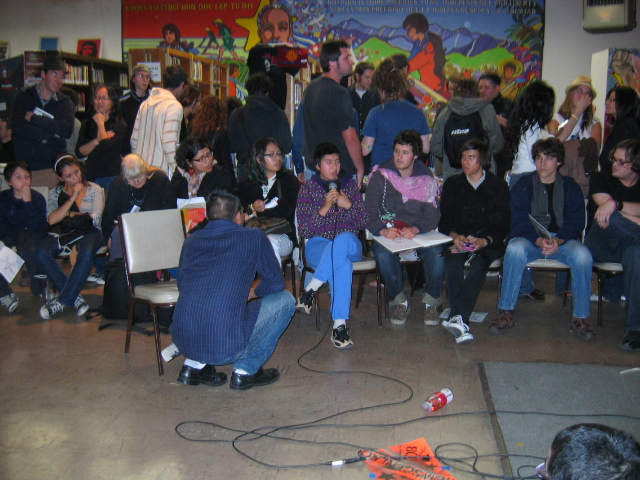
Latin American Movements panel

by Rockero Tuesday, Dec. 16, 2008 at 3:40 AM
rockero420@yahoo.com

Latin American Movem...

Latin American Movements panel

by Rockero Tuesday, Dec. 16, 2008 at 3:40 AM
rockero420@yahoo.com

Latin American Movem...

Latin American Movements panel

by Rockero Tuesday, Dec. 16, 2008 at 3:40 AM
rockero420@yahoo.com

Latin American Movem...

Queer and Trans Youth of Color Panel

by Rockero Tuesday, Dec. 16, 2008 at 3:40 AM
rockero420@yahoo.com

Queer and Trans Yout...

Anarcha-feminism/Riot Grrl/Women's Health Panel

by Rockero Tuesday, Dec. 16, 2008 at 3:40 AM
rockero420@yahoo.com

Anarcha-feminism/Rio...

"Panochas Poderosas/Powerful Pussies" -Radical Women's Health

by Rockero Tuesday, Dec. 16, 2008 at 3:40 AM
rockero420@yahoo.com

"Panochas Poder...

October 22 Demonstration Attracts Young to Anti-Police Terror Movement

http://la.indymedia.org/news/2008/10/221372.php

October 22 Demonstration Attracts Young to Anti-Police Terror Movement
by Rockero Friday, Oct. 24, 2008 at 3:02 AM
rockero420@yahoo.com

October 22, 2008 LOS ANGELES - The October 22nd Coalition to Stop Police Brutality, Repression and the Criminalization of a Generation has been organizing nationwide demonstrations since 1996. The Los Angeles actions have gained a reputation for being among the city's most lively and most youth-oriented marches whose participants tend to be from the very communities targeted by police. With some thirty police murders logged since the beginning of year, protestors had plenty to be angry about.
Although this year's demonstration did not attract the numbers it has in years past, more than 300 people gathered in front of the Parker Center, the home of the infamous Los Angeles Police Department.

There, speakers addressed the crowd before marching to MacArthur Park, the site of brutal police repression of immigrant-rights activists and media May 1 of last year. During the march, protestors decried police violence and carried posters bearing images of those murdered. The rallying point had to be changed due to construction, so marchers assembled at the park's outdoor amphitheater.

There, the families of victims of police violence and ICE raids gave their moving testimonies. Sherman Austin and Pachamama played awesome sets, and a former Black Panther introduced Green Party presidential candidate Cynthia McKinney. She did not address the crowd, but simply sent her greetings.

The rally was followed by the No More Stolen Lives Vigil.

The police presence was relatively low, and no incidents of brutality were reported.

Organizers point out that the demonstration is but one tactic to build the revolutionary movement that will put a halt to police murders and brutality. Local organizations who work on these issues and create alternatives include the All African Revolutionary People's Party, Frente Contra Las Redadas, Homies Unidos, LA Community Action Network, Revolutionary Autonomous Communities, and CopWatch LA-Guerilla Chapter.